

OK, so this isn't the first thing I think of after finishing this story, but name a minority or other ethnic group (do rednecks qualify? another question, projably) where a substitution–make your own– for the appropriate word in that headline might yield a non-offensive sentence?
The weirdest nook of Miami-Dade County is its unincorporated northwest corner — a rural tract where guajiros pummel each other at cowboy bars, black-market horse meat is in high demand, and burned cars and other refuse litter the streets as if in some Mad Max hellscape.
Here's yet another strange atrocity: Hunters there are using an endangered bird as target practice.
It happens every winter, says Pepe, our man on the street who asked that his last name not be used. Revelers stream into Northwest Dade to drink at the sprawling ranchos and drive ATVs through the brush — and fire on every feathered thing unfortunate enough to cross their path. "They'll shoot any bird they see, for target practice," Pepe says. "Sometimes they use automatic assault weapons. They don't even pick up the carcasses."
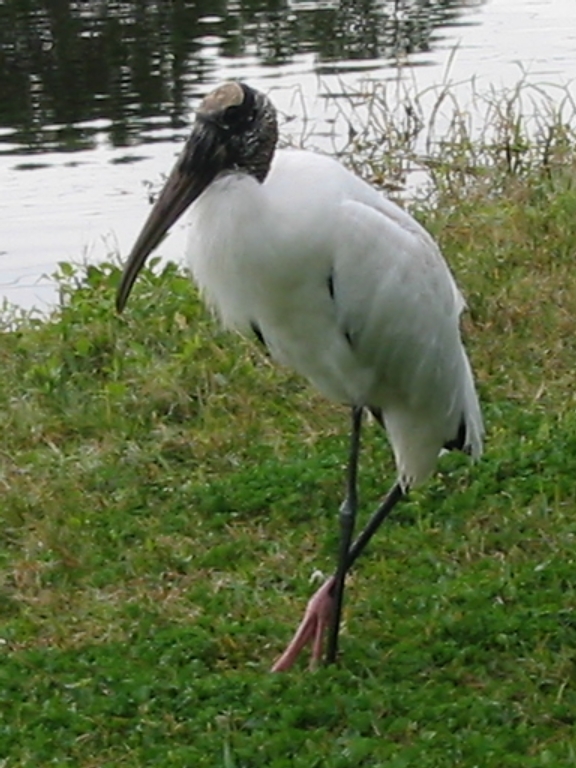
Among the bullet-riddled birds Pepe has found: several endangered wood storks. The gangly white water bird is trying to make a Rocky-like comeback from severely decimated numbers: In the '70s, only 2,500 remained. After hunting was restricted, an estimated 10,000 wood storks exist today — a relative boom that has Florida developers lobbying to downgrade the bird's status from "endangered" to "threatened" in order to ease habitat restrictions.
Save the wood stork here.


I know. Talk about ridiculous.
Ha! So random, I love it!!!