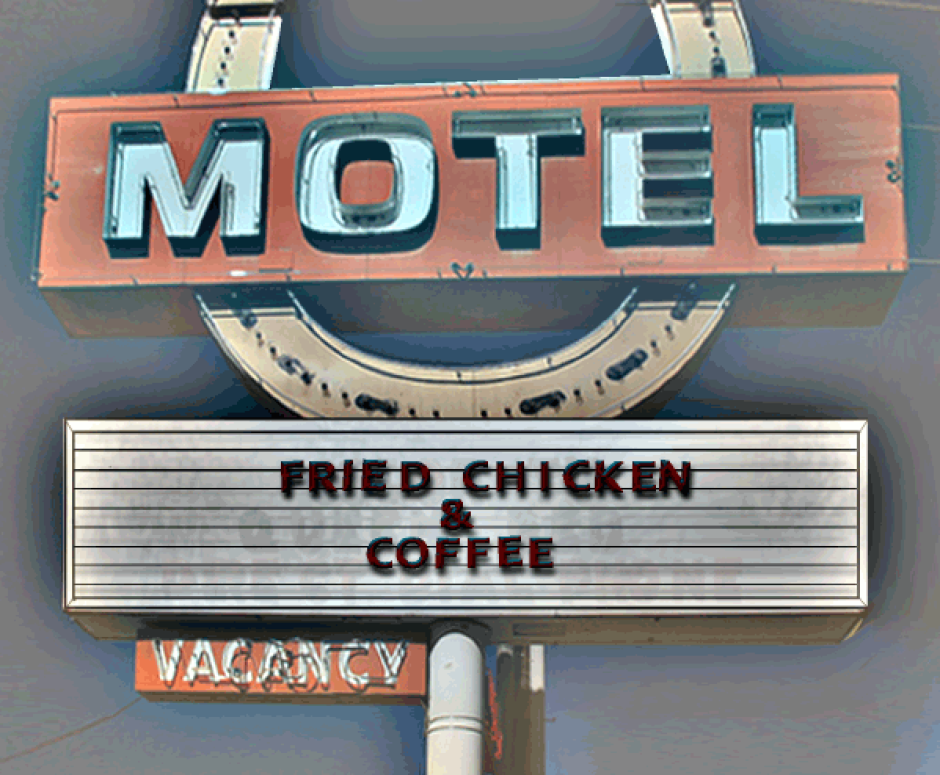
Sven Birkerts, in one of his many books or essays—every one is worth your while, by the way; I've read them many times in some cases—makes a case that we haven't really seen a representative literary novel (I'd expand this to other genres too) of the electronic age in the way we might have been able to pick one or two out from past eras, that images and sounds and bits of information whiz by us at such breakneck speed no one's been able to overcome the sheer mass and amplitude to make sense of it all. Which resonates for me, I have to say. It's why realism—let's argue about what that means later, shall we?— is the dominant literary mode in the marketplace for both poetry and fiction. Combine that with publishers who don't see value in experimentation, and you get a publishing landscape dominated by historical fictions and Carvereseque stories with lots of craft and little heart, memoirs and memoirish fiction, tiny domestic drama poems, small moments of insight, etc, or, even more annoyingly, the one-trick pony high-concept novel or poem. You can find critics and other people all over the web complaining about it. I'm not going to bother to link.
But Birkerts makes the point: what's next? who's going to write that book, that poem, that collection, the one that encompasses life as we know it, something to which you could attach a roadside sign, or, more likely, a pop-up window. This is especially true for us, for you'uns, for anyone who writes rural-based material or the kind of thing that might get tagged as 'regional' in the library. Most people who buy books live in or near cities on either coast, with obvious usually-near-universities exceptions. And the vast effluvia of largely rural folks in the middle and flanks of the country, what publishers and politicians call the fly-over zones, don't buy books. So we, as writers, have to find ways to keep our regional instincts, as well as pay homage to the fast-disappearing rural ways in which we grew up, and make that all relevant to a more-urban-by-the-minute population that buys books, and a rural population that would rather do something outside the house or watch TV, or surf the web or whatever—you get the point by now. Who's going to do that? Where is the great (small‑m) modernist or Postmodernist (maybe contemporary is the better word? Less loaded anyway.) rural novel or poem? The concepts don't even seem to work together. It's easy for interlectuals like us to sneer at the astonishing success of a book like Cold Mountain a few years ago. I was a bookstore manager then, and I resisted the book for ages even though Larry Brown and Rick Bass porked off in the blurbs, normally a sure sign I'd like the thing. I resisted, and I resisted, and I caved finally, and I fell completely in love. No surprise, maybe. But why that book? Why did it get so popular, and who bought it, as its sales say it obviously cut through the normal book-buying demographic (women age 35–40 and over, generally) and spread.
The negative first: yes, it's mostly an exercise in nostalgia: a novel with all the trappings of a time and place many people, in their dirty-greedy-lustful-acquisitional little still-fluttering hearts, would like to go back to, a time in which men were men and women were women, they could overcome hardships, and people did what they had to to survive, and love could (almost) conquer all. And that's why it was successful: it said for people what they didn't think they needed said about love and war; it comforted them, building an idealish world that somewhat resembles the 'real'; it had (let's not forget this) a carefully orchestrated and expensive stealth PR campaign; it had the backing of Sessalee Hensley at B&N. Enough to make me sneer, yeah, dismiss it as unworthy of my time and attention, yeah—but I loved it, and talked it up in my store, and we sold tons, and I was happy about it. I even liked the movie, for all its faults, and maybe because of them.
I had grown up around people like the old lady who helps Inman in the middle of the woods, curing his wounds and feeding him, people who lived out in the sticks and never came to town, the odd single man who'll help out a family for no reward, and even the randy preacher: my family's minister had left his own wife for a parishioner just a few years before, something that might have been a scandal years ago but barely caused a blip, those days, only fifteen or so years go.
Tower Hill near Daggett was my Cold Mountain, a place where my dad had grown up hunting, and where I could find arrowheads in the plowed fields, where my uncles told stories about the dogs running off in the middle of the night when they caught a scent other than the coon they were supposed to be chasing, and where we sometimes came to draw water from the spring on the sidehill people had been using for years, since our drinking water was iron-filled and rotten, and would separate if you left it sit for a few moments. My family had been in the area for a hundred years, and in some cases, had farms just up the road. It's my place, in a way that it'll never be for the fucking flatlanders who've moved in there now and built nice houses where trailers and clapboard-walled shacks used to be. Improvement my ass. I am moved to righteous anger just to think about it even though I live 300 miles away now… and that's why the book was successful. It keys to the things that make people most righteous if you try to take them away: love, land, food, shelter. It's a great book, I think, for all its faults. It hits me. But it is nostalgic, and maybe dangerously so.
That time is gone, and the one we live in is dominated by large corporations who rape the land, force people out, build stripmalls and bypasses, and children leave the places in which they've grown up for greener (dollar signs, baby) pastures, and what we think and do is increasingly dictated to us by the corporatized media. No wonder we should want something to read that reminds us not of better times, but of any other time but this one. I want to see the poem or story or essay that deals with that. Modern contexts, rural settings. There's your challenge. Take it up or not.
Later on today I'll hopefully post the first piece of work to ever appear on Fried Chicken and Coffee. Come back then. I'm going out to drag my kids through the woods in Saugus right now.


Quite a challenge, Rusty, but I may take you up on it. I'm not from Appalachia, but I've spent way more time in the wilds of the PacNW (John Birchers, Judge Boldt, Survivalists, rednecks, fish-ins, chest freezers full of purloined bear meat, and all) than most people might know, and it's starting to itch its way to the surface like Appalachia seems to be doing to you. Just spent the weekend in a town of less than 200 that ekes out its worth in oystering, and next month will spend a week in a 100-year-old forest service cabin (no running water or electricity) because, frankly, I have to for my sanity's sake. Watchin' the fire,Tamarahttp://rhymeswithcamera.blogspot.com